Transitioning from Coin-Op to Highly Coveted Items: A Emergence in Vintage Gaming Titles
Nostalgia has a intense hold on many of us, especially when it comes to the pure pleasures of childhood. For individuals raised in the late 20th century, nothing quite captures that spirit like old-school arcade games. What started as a colorful corner of dimly lit arcades has now changed into a cherished collecting hobby, fueling a renewed interest in these iconic machines. Today, classic arcade games stand as a symbol to a golden era of gaming, welcoming both veterans and newcomers to delve into their vibrant history and enthralling gameplay.
As retro gaming continues to rise in trendiness, a lot of gamers are diving into the world of vintage arcade systems. From finding out how to maintain and restore these classic pieces to curating a personal collection for their game rooms, gamers are realizing the joys of owning these unforgettable relics. In this overview, we will take a closer look at thirty classic arcade machines every retro gamer should know, examine the reasons for the comeback of these magnificent machines, and provide tips on how to build the ultimate home arcade. No matter if you're an experienced collector or just embarking on your path, the world of classic arcade games awaits you.
The Development of Traditional Arcade Machines
The timeline of vintage arcade machines started in the early, marking the beginning of a fresh era in gaming. The initial commercially successful arcade game, Computer Space, was released in 1971, paving the way for the future of interactive entertainment. This first wave of arcade machines was characterized by basic graphics and gameplay, often relying on the uniqueness of playing against a digital opponent. The gaming landscape evolved significantly with the launch of Pong in 1972, which not just popularized arcade gaming but also established the basis for the arcade culture that developed.
As the 1980s approached, arcade machines transformed more complicated, introducing bright graphics, sound effects, and increasingly complex gameplay mechanics. Famous titles such as Pac-Man and Donkey Kong surfaced during this epoch, capturing the hearts of a generation and drawing masses to arcade parlors. The advent of microprocessor technology allowed developers to create more captivating and visually appealing games, making arcade cabinets not just machines, but cultural icons. This flourishing period of gaming was marked by rivalry, multiplayer options, and a sense of community in local arcades.
The evolution progressed into the end of the 1980s and early 1990s, with the introduction of 16-bit technology, which ushered in a new level of graphical quality and sound quality. This timeframe saw the ascendance of beat 'em ups and fighting games, with titles like Street Fighter II and Teenage Mutant Ninja Turtles becoming household names. Arcade machines began to broaden in design, with types such as cocktail tables emerging alongside the traditional upright cabinets. This diversification appealed to a broader range of gamers, including families and casual gamers, ensuring that vintage arcade machines would leave a lasting legacy in the world of gaming.
Best Classic Arcade Units to Explore
Among the most iconic classic arcade machines , the yellow hero stands out as a cultural phenomenon. Released in the year 1980, it captivated players with its unique maze-chase gameplay and memorable characters. Players navigate Pac-Man through a maze, consuming pellets while avoiding vibrant ghosts. The game's straightforward yet engaging mechanics helped establish it as a cornerstone of arcade gaming and has kept it relevant in pop culture for many years.
Another classic that shaped an era is the titular ape game, which introduced the world to Mario, a character that would become synonymous with gaming. Launched in the year 1981, Donkey Kong features players to assume the role of Mario as he attempts to rescue his kidnapped girlfriend from the grasp of the famous ape. Its platforming gameplay was groundbreaking for its time, and it laid the foundation for countless platformers that came after, solidifying its place in arcade history.
The alien shooter, released in 1978, revolutionized the shooter genre and is often credited with laying the foundations for the gaming industry as we understand it. Players command a cannon at the bottom of the screen, shooting at waves of incoming aliens. Its accessible yet captivating gameplay enthralled the imagination of players and led to a significant increase in arcade machine sales, marking a crucial moment in gaming history. Today, these machines continue to be honored and pursued by retro gaming enthusiasts.
Building Your Own Retro Arcade
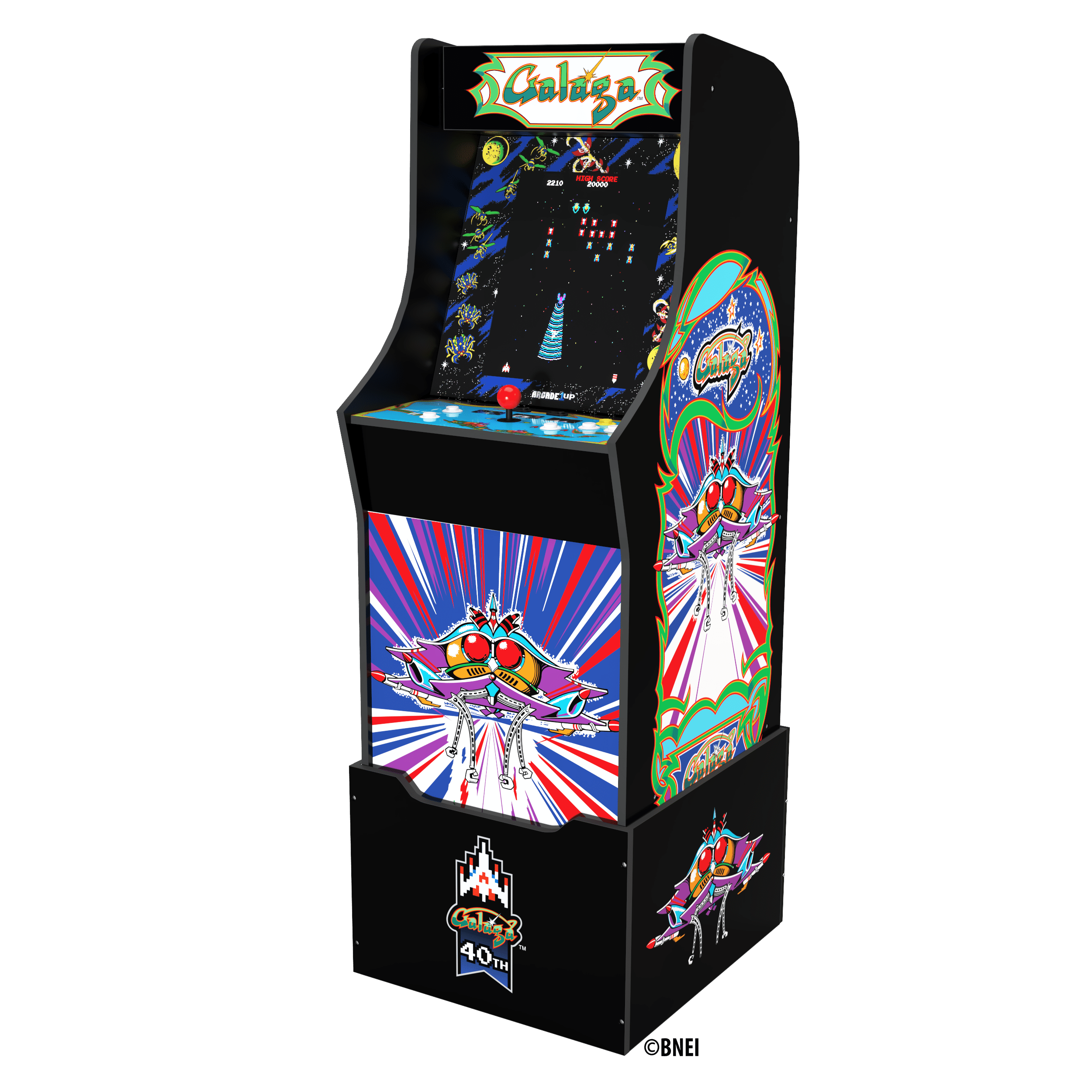
Creating your personal retro arcade is a fulfilling project paying tribute to the nostalgic era of gaming. Begin by identifying a fitting location in your residence in which you can store your arcade machines. This could be a basement, a workshop, or a specialized game room. After securing a space, consider the way you want to set up the area to optimize both aesthetics and functionality. Use a mix of standard and cocktail arcade machines, based on your preference and available floor space.
Following this, it’s time to choose the timeless arcade machines that you want to add in your set. Aim for iconic titles that have stood the test of time and that resonate with your individual gaming nostalgia. Strive for a combination of genres, from old-school beat 'em ups to evergreen puzzle games. Visit this website ’t overlook the opportunity to add multi-user options to enhance the social aspect, making your retro arcade a ideal gathering spot for friends and family. Items like neon lights, vintage posters, and comfortable seating can improve the theme, creating an immersive atmosphere.
Care and care are key components of possessing retro arcade machines. Regularly clean the machines and inspect for technical issues to keep them in excellent shape. Get acquainted with fundamental restoration techniques in case a machine needs repairs. https://notes.medien.rwth-aachen.de/WNVUry7wRlmq9BG-YO9K3w/ with necessary tools and spare parts to make upkeep more manageable. By focusing on maintenance, you guarantee that your retro arcade remains a lively and enjoyable space for years to come, allowing you to share the nostalgic gaming experience with next generations.