Tips for a Positive Monitored Visit Session
Supervised visitation is a crucial aspect of numerous family law cases, particularly when the well-being of children is involved. This arrangement permits non-custodial parents to preserve a bond with their children while guaranteeing a secure environment. Understanding what supervised visitation entails, how it functions, and the justifications courts may impose it can be crucial for parents working through these difficult waters.
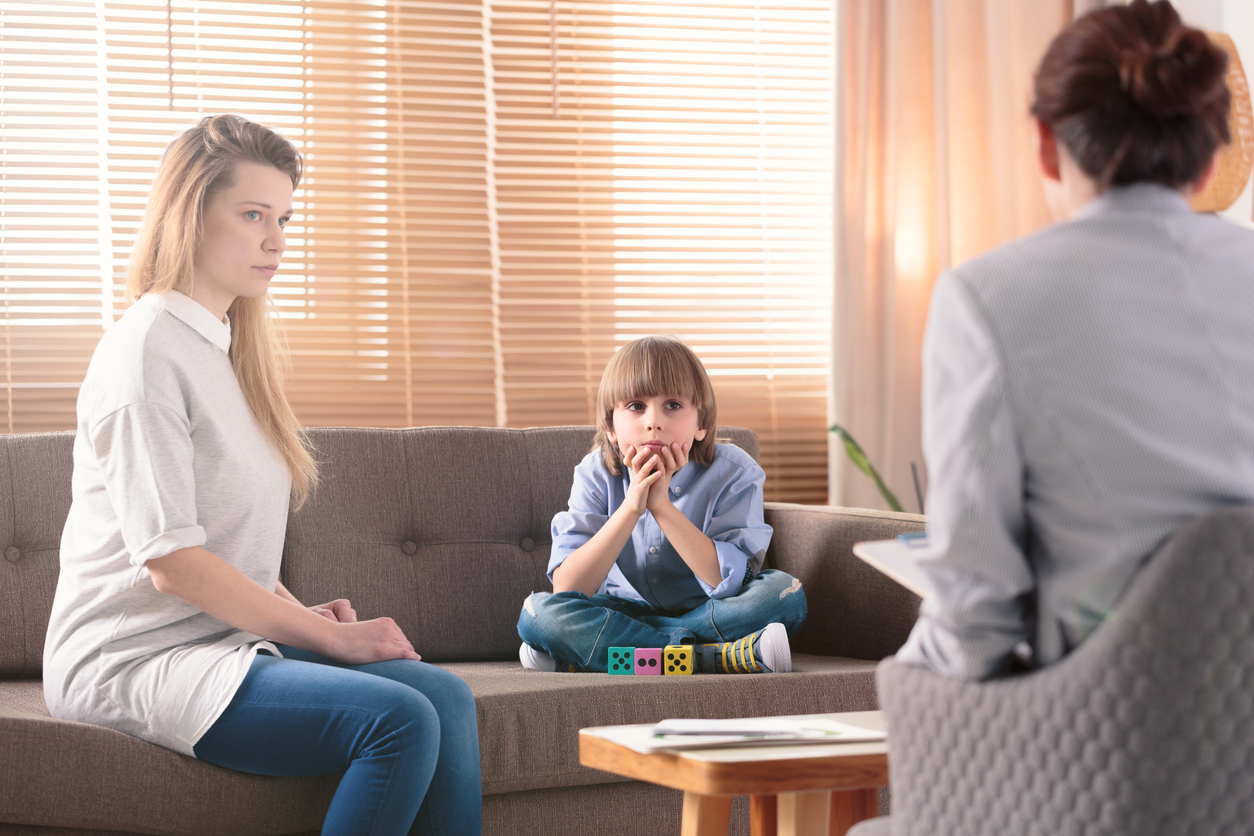
As families go through changes such as divorce or separation, emotions can run intense, and conflicts may arise. Supervised visits serve as a controlled way to facilitate parent-child interactions in the watchful oversight of a trained monitor. The process not just prioritizes child safety but also encourages the potential for family harmony. By preparing adequately and knowing what to expect, parents can create a welcoming atmosphere that helps everyone involved, especially the child.
Comprehending Monitored Visits
Monitored visits is a court-ordered arrangement designed to ensure the well-being and welfare of children during interactions with a absent parent or guardian. This type of contact allows for a protected environment where children can maintain their relationships with their parents while minimizing potential risks associated with independent contact. Typically, a trained professional, known as a visitation overseer, oversees these visits to ensure protocols are followed and to intervene if necessary.
The process generally involves a neutral observer who watches the relationship between parent and child. This monitor records the meeting's progress, noting how both the child and parent act and communicate. The goal is to provide a systematic environment that fosters positive relationships, while also keeping the child's safety and mental well-being as the top priority. Monitored visitation can occur in various places, including public facilities, home environments, or specific visitation centers.
Courts may mandate overseen visitation for multiple reasons, such as worries about a parent's ability to provide a healthy environment or issues related to alcohol abuse, psychological health, or family violence. The arrangement is intended to help both parents comprehend the significance of protection and provide help for the recovery of trust and parenting skills. Grasping these aspects is vital for families experiencing this difficult process, as it lays the foundation for subsequent interactions and reunification efforts.
Getting Ready for a Monitored Session
Preparing for a supervised visit is crucial for both parents and children to guarantee a favorable encounter. Start by reviewing the guidelines and regulations of the meeting center or supervisor. Knowing what is anticipated during the visit will make it simpler to follow the protocols and focus on the kid. Make a list of necessary items to bring, such as snacks, toys, or games that your child enjoys. This can help create an stimulating atmosphere that promotes engagement and connection.
Emotional preparation is just as crucial as practical arrangements. Parents should take time to reflect on their emotions regarding the situation and practice strategies to cope with stress or anxiety. Approach the visit with an open attitude, focusing on the pleasures of spending time with your kid rather than any concerns. Fostering a calm and positive demeanor will help set the tone for the visit, making it more enjoyable for everyone involved.
Finally, interaction with the monitoring monitor is key. Before Look at more info , discuss any specific worries or objectives you may have regarding your kid's requirements or the visit's format. Clear dialogue can help the supervisor understand your objectives and provide appropriate support during the visitation. Being well-prepared will not only help the child but also encourage a more productive and positive experience for both parents and supervisors alike.
The Significance of Supervised Visitation in Child Safety
Monitored contact plays a critical role in ensuring the protection of children during contact with a non-residential parent or family member. By offering a monitored environment, it relieves concerns about potential harm or negative influences that could arise during interactions. This structured approach allows for a protected space where children can nurture connections with their loved ones while being shielded from any risks that may occur outside of supervision.
One of the main functions of supervised visitation is to cultivate a secure atmosphere where children can express themselves and develop relationships without fear. This is especially crucial in cases where there may be a background of conflict, abuse, or negligence. The presence of a trained supervisor ensures that appropriate boundaries are maintained, reducing the likelihood of emotional or physical harm, and emphasizing the importance of a child’s well-being during these interactions.
Moreover, supervised visitation serves as a crucial tool for understanding parent-child dynamics in a controlled setting. It allows professionals to watch interactions, which can provide insights into the skills of the non-custodial parent. These observations can inform future decisions regarding child custody arrangements, thus encouraging not only immediate safety but also long-term stability and security for the child as family relationships are gradually built.