Mapping the Future: The Method by Which Drone Surveys Are Now Transforming the Industry
Recently, drone surveys have arisen as a game-changing technology, changing how different sectors approach data collection and interpretation. By leveraging advanced technology, drones provide a rapid, efficient, and precise means of acquiring survey data that was once based on traditional methods. From building locations to croplands, the ability to capture detailed images and thorough data sets from the air has revolutionized the landscape completely.
The advantages of utilizing UAV surveys are many, addressing issues of safety, cost, and exactness that have long challenged professionals in industries such as contracting, real estate, and nature observation. As the technology continues to develop, grasping the influence of UAV surveys on planning projects and performance becomes more and more essential. This article examines the primary motivations to utilize UAV technology, the ways they are reshaping industries, and the prospective opportunities that await.
Advantages of Drone Surveys
Unmanned aerial vehicle surveys offer enhanced efficiency compared to legacy methods. They can survey large areas in a small percentage of the duration it would take conventional surveying techniques. By utilizing high-altitude data collection, drones can quickly gather specific data, allowing projects to progress without unnecessary delays. This efficiency is particularly beneficial in sectors like construction and land development, w here timely data is vital for planning and decision-making.
Economic viability is another significant advantage of drone surveys. Traditional surveying often requires significant labor and equipment, leading to higher expenses. Drones minimize these costs by cutting down on the need for manpower and high-priced ground-based instruments. As a result, companies can manage their budgets more effectively, making drone surveys an attractive option for various projects, from facility evaluations to environmental monitoring.
Additionally, drone surveys enhance safety, especially in hazardous environments. Inspecting structures like roofs or power lines traditionally puts surveyors at danger. Drones mitigate this danger by allowing for distant inspections, reducing the chance of accidents. Furthermore, their ability to access difficult-to-reach locations without putting workers in harm's way is invaluable in ensuring a safer working environment, thus enhancing overall safety standards within the industry.
Uses in Various Industries
Unmanned Aerial Vehicles have revolutionized how different industries handle surveying and mapping tasks. In the building industry, for instance, drone surveys are transforming project management by providing up-to-date data that aids in tracking progress and maintaining compliance with regulations. The ability to create high-resolution maps and 3D models enables construction teams to more effectively plan and execute their projects, significantly improving efficiency and reducing costs.
In agriculture, drone surveys are becoming an essential tool for farmers looking to optimize crop yields. By collecting detailed images and data, drones help in assessing soil health, checking irrigation systems, and detecting pest infestations. This technology enables targeted farming, where resources are allocated more efficiently, resulting in greater productivity and sustainability in land use.
Additionally, drone surveys play a key role in infrastructure and utility inspections. They provide a more secure alternative to traditional methods by permitting inspectors to access hard-to-reach areas such as rooftops and transmission lines without risking personal safety. With the capability to gather comprehensive data quickly, drones help utilities manage their assets effectively, minimizing downtime and improving service reliability.
Emerging Movements in Unmanned Aerial Vehicle Survey Tech
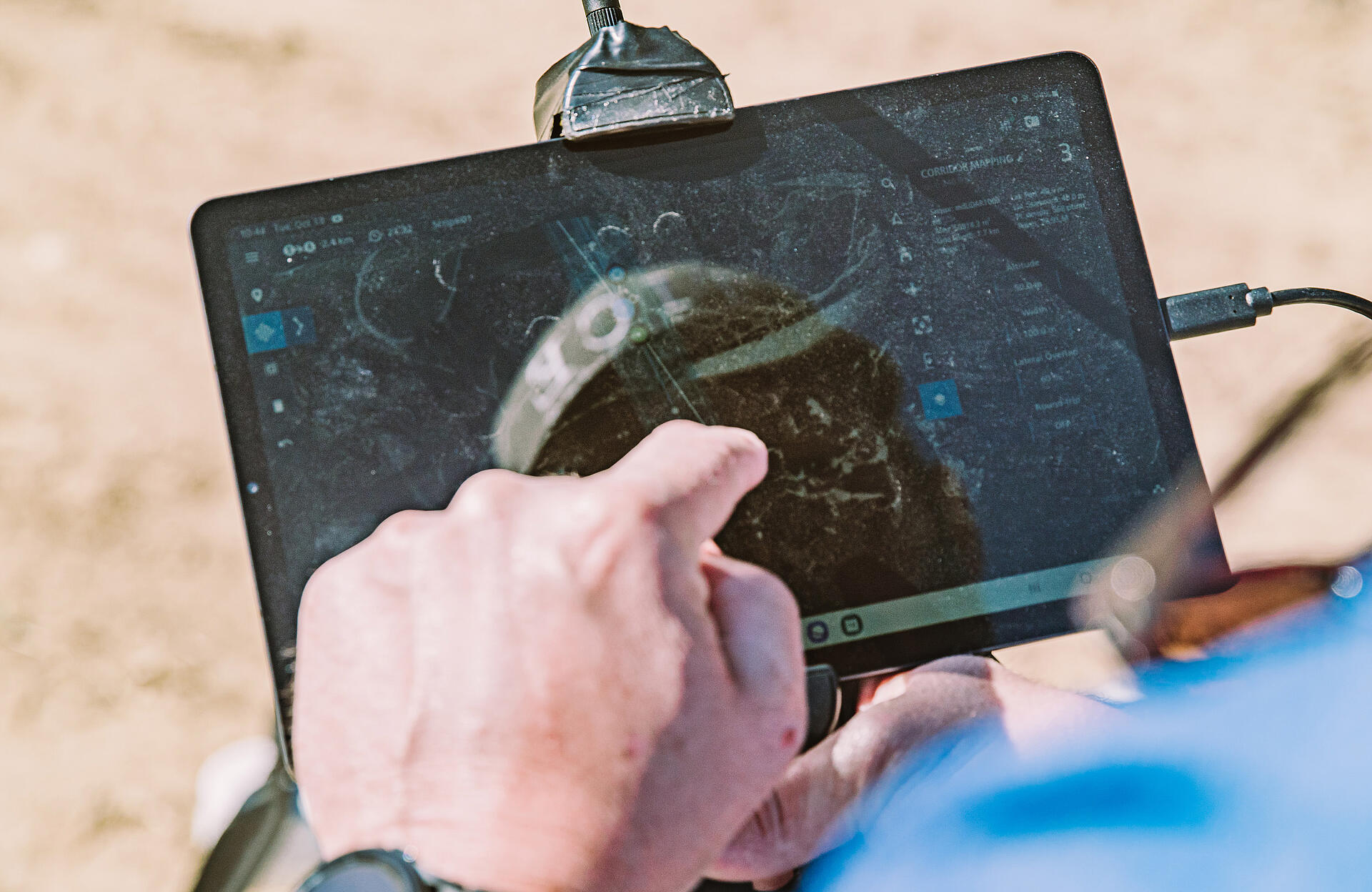
As innovation keeps to evolve, UAV mappings are predicted to become even further integrated with AI and ML. These developments will allow UAVs to analyze data in actual time, enhancing their ability to recognize patterns and anomalies during the surveying process. The incorporation of AI models will also streamline data processing but also enhance the precision of evaluations, making UAV surveys an essential tool for multiple industries.
Another major movement is the advancement of more sophisticated sensors and imaging solutions. With the introduction of higher resolution imaging devices, LiDAR technologies, and multispectral sensors, UAVs will be able to gather more detailed and extensive data than ever before. This will broaden their applications outside traditional surveying, enabling exact monitoring in areas such as farming, environmental assessments, and urban development. Improved sensor technology will enhance the ability of UAV surveys to support critical decisions.
Finally, regulatory frameworks surrounding drone activity are developing as their deployment becomes increasingly common. Future trends suggest a move towards more stringent regulations to maintain safety and privacy, as well as the integration of UAVs into air traffic systems. These rules will probably promote the growth of business UAV inspections, providing clearer standards for users. As compliance improves, we can expect a surge in the adoption of UAV survey solutions across various sectors, ultimately transforming how we approach land use and infrastructure development.