Investigating Protein Chemistry: A Vital Component to Biological Resolutions
Peptides are fascinating biological molecules that play essential roles in practically every biofunctional system. Consisting of short chains of amino acids, peptides are not only constructs for proteins; they furthermore act as messenger molecules, shaping cellular communication and biological processes. With the growing interest in peptide science, understanding these molecules is more important than ever for researchers, healthcare professionals, and those curious by the mechanisms of life.
In this article, we will embark on a venture through the world of peptide chemistry. We will explore the core concepts of peptides, how they function, and their significance in contemporary biology. From their distinct structure to their key role in cellular signaling, we will delve into the various aspects of peptides that make them a significant topic of study. Join us as we discover the most recent research techniques, therapeutic applications, and the promising future of peptide science, shedding light on why these small molecules are essential to advancing biological solutions.
Understanding Peptides and These Roles
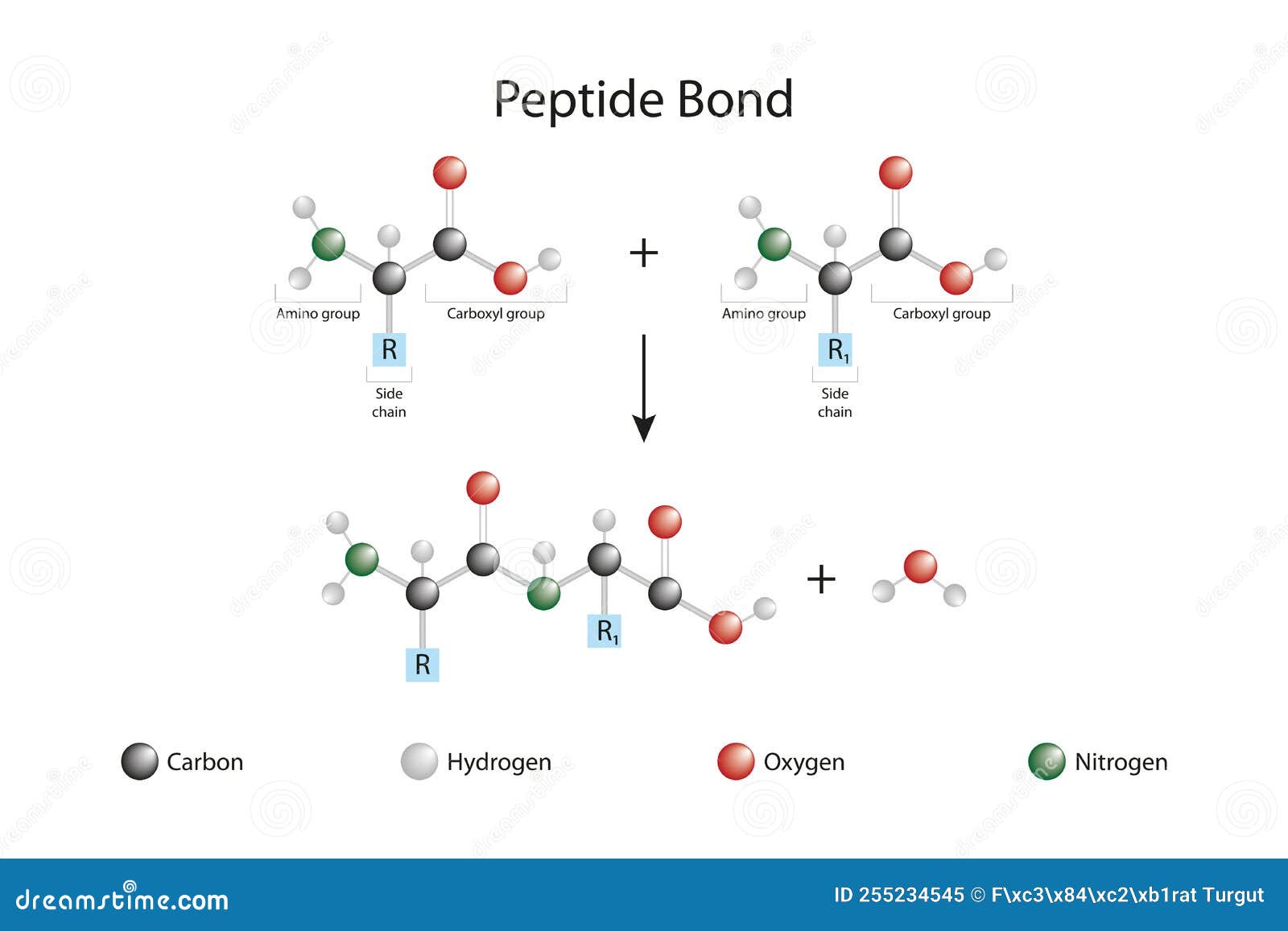
Short chains of amino acids are short sequences of amino acids connected by peptide bonds, typically composed of 2 to 50 amino acids. They have important roles in multiple biological processes and serve as fundamental building blocks of proteins. While proteins are made up of lengthier chains of amino acids folded into particular three-dimensional structures, peptides can have different functions due to their varied sequences and structures. Grasping the distinct characteristics of peptides is important in understanding their significance in cell functions and biological activities.
The primary function of peptides is to communicate with cells, evoking specific responses or actions. This communication frequently occurs through interactions with peptide receptors on the outer layer of cells. These receptors recognize and bind to specific peptides, inducing signal transduction mechanisms that coordinate a variety of responses in cells, including cell growth, differentiation, and metabolism. By understanding how peptides interact with cells, researchers can uncover new mechanisms of action and create strategies for therapeutic interventions.
Beyond their function in signaling, peptides are also involved in multiple physiological functions, such as hormone regulation, immune responses, and tissue repair. The multi-faceted nature of peptides makes them crucial in fields like developing new medications and medication development. For instance, synthetic peptides can be designed to imitate natural signaling molecules, providing targeted therapies that can improve patient outcomes. As research continues to unravel the intricacies of peptide biology, the possibilities for novel applications will only grow.
The Significance of Protein Fragments in Drug Discovery
Protein Fragments play a crucial role in drug discovery due to their unique ability to interact with biological systems in precise ways. They are composed of amino acids, which can be modified to create compounds that simulate biological signals within the body. This ability allows scientists to design peptides that can modulate biological processes, which is essential for formulating new therapies for a range of conditions. Their compact nature compared to larger proteins makes them highly adaptable and easier to modify, opening up new pathways for medical uses.
The development of peptide-based therapeutics has been driven by the increasing understanding of their mechanisms of action and the benefits they offer over traditional small molecules and monoclonal antibodies. These compounds exhibit high specificity for their intended molecules, which can lead to fewer side effects and improved efficacy. Furthermore, Great post to read in biotechnology and peptide engineering have enabled the creation of libraries of diverse peptides, allowing scientists to quickly evaluate for candidates that can bind effectively to targets associated with diseases. This process is often referred to as high-throughput screening, significantly accelerating the pace of pharmaceutical development.
Despite their capabilities, there are obstacles associated with creating therapeutics based on peptides. These compounds can be quickly broken down in the body, leading to reduced effectiveness. Scientists are focused on overcome these challenges through alterations that improve resilience and enhance delivery mechanisms. Consequently, the outlook of therapeutics based on peptides looks promising, with continuous progress paving the way for innovative therapies that could transform treatment options for various illnesses and enhance our understanding of complex biological systems.
Ongoing Trends and Future Directions in Peptide Research
Recent developments in peptide research are mainly driven by advancements in techniques and computational bioscience. High-throughput screening techniques and improved synthetic strategies allow scientists to explore vast peptide libraries effectively. This has enhanced the discovery workflow, enabling researchers to find novel peptides with specific biological activities or therapeutic properties. AI and computing are now playing crucial roles in predicting peptide behavior, optimizing structures, and assessing interactions with target receptors, thereby accelerating the pace at which new peptides can be designed and tested.
Peptides are more and more recognized for their functions not only in traditional therapeutic uses but also in developing fields such as immunotherapy and personalized medicine. Their ability to alter immune responses makes them promising candidates for vaccine production and treatment of autoimmune disorders. Furthermore, the use of peptides in nanomedicine and targeted drug delivery platforms is gaining traction, as they can be engineered to carry drugs exactly to the target cells, minimizing side effects and enhancing efficacy. This expanding scope of applications shows a bright future for peptide science and highlights its versatility in addressing a range of biological issues.
Looking ahead, researchers are also focusing on enhancing peptide durability and bioavailability, which are critical for moving promising candidates from the lab to patients. The creation of novel delivery platforms and formulations that shield peptides from degradation will be vital. Additionally, grasping the long-term effects and likely immunogenicity of peptides will be key for their safe application in interventions. As the area evolves, collaborations between chemists, biologists, and data analysts will likely yield revolutionary discoveries, fostering developments that could redefine our approach to medicine and biology.