From Ideas to Execution: An In-Depth Guide to Designing Landscapes
Establishing a welcoming outdoor space is a path starting from a compelling vision and culminates with a striking landscape which mirrors your style while meeting your needs. Landscape design is an art which merges creativity and functionality, transforming ordinary yards into the extraordinary retreats. Regardless of whether you have a sprawling garden and a small balcony, a suitable design can enhance your outdoor experience, allowing you to enjoy nature as well as providing value to your property.
In this guide, we will walk you through essential steps of landscape design, introducing you to multiple ideas along with practical suggestions to stimulate your own projects. From understanding the differences among modern and traditional landscaping as well as exploring sustainable practices plus low-maintenance solutions, you will discover methods to make the most of your outdoor environment. Get ready to transform your space with innovative designs and thoughtful planning that will help you create an outdoor area you will love for a long time.
Leading Landscape Architecture Styles
As we move into 2025, landscape design continues to evolve, showing both visual preferences and environmental considerations. One notable trend is the increased focus on eco-friendly landscapes. Homeowners are now more aware of sustainability and its impact on the environment. Integrating local plants, which require less water and maintenance, is becoming a preferred choice. Click here! supports biodiversity but also minimizes the ecological footprint of landscaping projects.
Another important trend is the merging of outdoor living areas with the home. Many residents are looking to expand their living areas outside, creating usable spaces for leisure and entertainment. Features like outdoor kitchens, cozy seating areas, and fire pits are more and more in demand. These additions not only enhance the usability of the outdoor space but also improve the property's overall value. Designing these areas to fit seamlessly with the home’s architecture is essential for achieving a harmonious look.
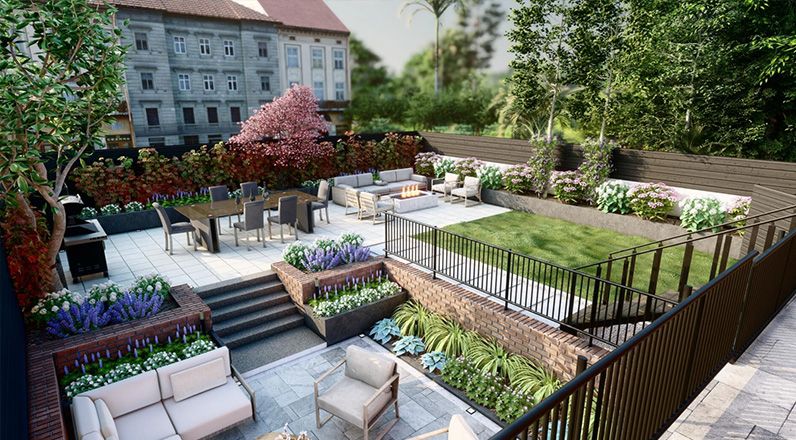
Lastly, the use of technology in landscape design is on the increase. Property owners are embracing smart landscaping solutions such as automated irrigation systems and landscape design apps to help visualize their projects. These tools not only make landscaping simpler but also more effective. With the ability to plan, design, and maintain landscapes through innovative tools, residents are enabled to create beautiful outdoor environments that showcase their individual tastes while addressing their practical needs.
Key Tips for Successful Garden Design
Successful landscaping begins with a defined plan that details your vision and aims. Spend the time to assess your outdoor space, considering elements such as light exposure, soil quality, and current features. Create a list of what you want to create, whether it’s a colorful garden, peaceful outdoor living area, or low-maintenance greenery. Doodling your ideas can assist illustrate the space and allow for changes before committing to any purchases or installations.
A further important aspect is to select the right plants that will thrive in your particular conditions. Investigate native plants that are suitably acclimated to your locale as they typically require lower maintenance and supply necessary habitats for indigenous wildlife. When selecting plants, consider factors like growth patterns, color combinations, and annual cycles. Creating a rich plant palette can enhance the aesthetic quality and ecological balance of your landscape.
Ultimately, including hardscaping components such as pathways, patios, and garden walls can significantly enhance your landscape design. These features not only contribute aesthetic value but also serve practical purposes, like handling drainage or forming distinct outdoor rooms. Keep in mind to integrate hardscaping smoothly with the surrounding landscape, guaranteeing that both elements support each other for a cohesive look.
Adopting Sustainable Practices
Integrating eco-friendly techniques into outdoor design is important for establishing green outdoor areas. Commence by selecting native plants, which are suited to the local climate and terrain. These plants require fewer moisture and maintenance than alien species, helping to preserve resources and reduce chemical usage. Additionally, native flora support local wildlife, including pollinators, building a vibrant ecosystem in your garden.
Another crucial aspect of eco-friendly design is applying water conservation techniques. Think about setting up rain water features or permeable paving to manage stormwater drainage efficiently. These options not only enhance the aesthetic appeal of your design but also contribute in restoring groundwater resources. Additionally, using drip irrigation systems instead of traditional hoses can greatly decrease water loss by providing water directly to the root zone.
Lastly, prioritize green materials when incorporating paving elements like terraces, trails, and fences. Reclaimed wood, repurposed stone, and eco-friendly blocks are excellent options that lessen environmental footprint. Furthermore, think about using solar lights to illuminate your landscape, reducing energy consumption while providing atmosphere. By embracing these eco-friendly methods, you can create a stunning environment that benefits both your home and the environment.