Fostering Aesthetic: Your Ultimate Garden Nurturing Handbook
Gardening is more than just a hobby; it is an art form that cultivates aesthetics and tranquility in our lives. Whether you are nurturing a vibrant flower garden, cultivating vegetables, or maintaining a pristine lawn, regular upkeep is crucial to a thriving green space. Yet, many homeowners struggle to keep their gardens in top shape due to hectic lives or simply not knowing where to start. read more to streamline the process and provide you with essential garden maintenance advice for all seasons, ensuring your outdoor space remains lively throughout the year.
Beginning with spring’s fresh start to winter's care techniques, each season brings its own set of tasks and opportunities for garden care. You will learn how to develop a maintenance plan that fits your lifestyle, whether you are a busy professional or a dedicated gardening enthusiast. With information on everything from irrigation methods to pruning techniques, this comprehensive guide will help you cultivate beauty in your garden while increasing your property value and providing you with a peaceful outdoor retreat. Regardless of whether you have a small urban space or a sprawling commercial landscape, there is something here for everyone. Let’s get started on your journey to beautiful garden maintenance.
Seasonal Preservation Basics
Efficient plant management calls for a holistic method in order to changes to the varying periods. In the spring season, devote attention on reviving your landscape post the cold season. Start with a thorough cleaning, getting rid of debris, and checking proper earth condition by testing and adjusting the earth as necessary. This is also the opportune period to create a spring planting upkeep to-do list to steer your tasks, which may feature planting new flora, enriching, and taking care of any cutting necessities.
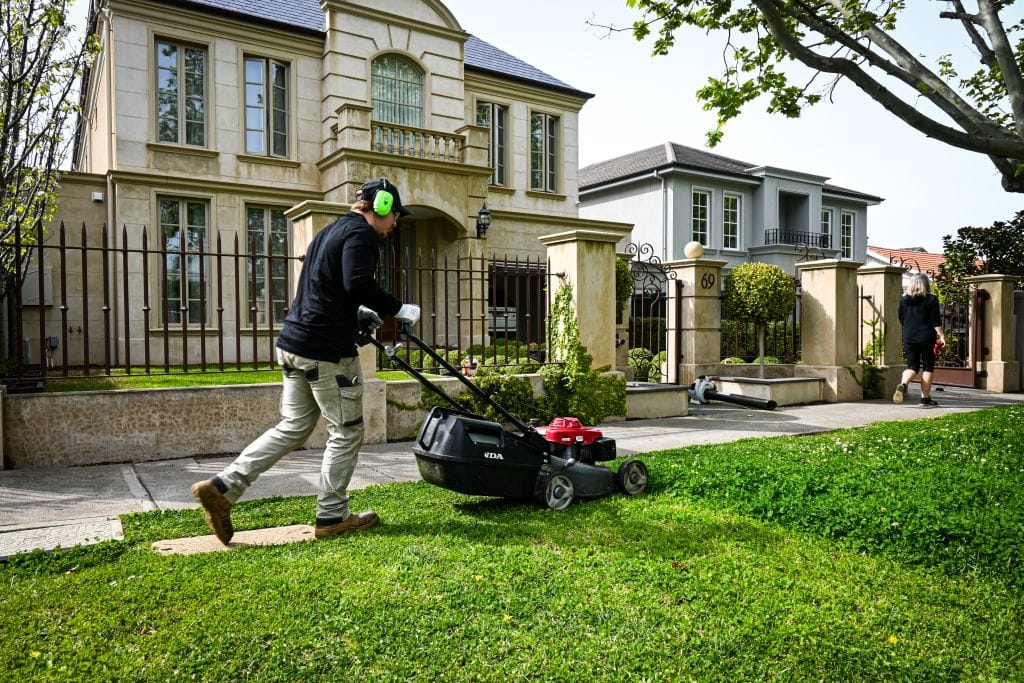
As the summer months comes, caring for your garden's well-being becomes vital due to elevated warmth. Ongoing watering and smart irrigation techniques are essential to make your plants hydrated. Be alert about pest management, as warmer climates can result in an uptick in garden insects. Contemplate mulching to protect soil humidity and control heat, further elevating your summer garden upkeep.
With the autumn season comes a alternative collection of tasks aimed at preparing your yard for the colder months. The fall season isn’t just about clearing; it’s appropriate to check your garden and address any problems. Essential autumn landscape maintenance chores encompass trimming dried limbs, planting seeds for spring flowers, and maintaining your grass are vibrant. Implementing these preventive measures will preserve your garden as winter approaches, maintaining a gorgeous and robust planting all year long.
Care Tools and Techniques
Having the proper tools is vital for effective garden care. Every homeowner should consider getting high-quality gardening tools such as shears, a hand trowel, a rake, and a hose with an efficient nozzle. These tools make it more straightforward to tackle various tasks, including trimming hedges to planting new flowers. It's also wise to look into ergonomic designs that can reduce fatigue during lengthy use. Keeping tools in good condition and properly stored not only extends their durability but also improves effectiveness when you are ready to work in the garden.
Techniques for maintaining your garden can greatly impact the condition and appearance of your plants. Frequent pruning is essential for promoting healthy growth and enhancing the look of ornamental plants. Use mulch to keep soil moisture and suppress weeds, making maintenance more manageable throughout the seasons. Implementing effective irrigation methods, such as drip systems, can save water and provide consistent moisture to your plants, which is vital during the hot summer months. Each task, if done accurately and at the optimal time, contributes to the overall success of your garden.
Finally, grasping and utilizing eco-friendly approaches to garden maintenance can enhance soil quality and plant vitality. Incorporating compost into your soil enhances its nutrient content and structure, promoting strong plant development. Additionally, staying watchful about pest control through natural methods, such as introducing beneficial insects, can help maintain a thriving ecosystem. By combining effective tools with sound techniques, homeowners can ensure their gardens flourish throughout the growing cycle.
Green Gardening Practices
Sustainable horticultural practices focus on developing a productive plot while honoring and improving the ecosystem. One key method is to use natural methods, which remove the need for synthetic chemicals that can damage helpful insects and soil health. By employing eco-friendly fertilizers, such as compost or decomposed fertilizer, growers can improve their soil in an eco-friendly way. Additionally, implementing rotation of crops and companion planting not only improves soil fertility but also helps in managing pests, encouraging a healthier ecosystem within the plot.
Water preservation is another important aspect of green horticulture. Implementing efficient irrigation methods, such as drip systems or soaker hoses, helps reduce water waste. Rainwater harvesting techniques can also be set up to collect and retain precipitation for future use in the garden. Covering around crops limits evaporation, keeps the soil temperature even, and controls weeds, thereby reducing the need for chemical weed killers. These practices ensure that plots thrive while preserving precious water resources.
Additionally, promoting variety within the garden can result in a more stable ecosystem. Planting a diversity of blooms, bushes, and plants provides for local wildlife, including pollinators like honeybees and fluttering insects, which are vital for floral growth. A varied plot can also limit the propagation of pests and diseases, as natural predators will flourish alongside their prey. Adding indigenous plants into the garden can enhance local biodiversity while demanding less upkeep, making sustainability a practical option for all gardener.