Cutting Methods All Arborist Must Master
Transforming into a proficient tree surgeon entails beyond information; it entails a command of different pruning techniques that can significantly affect the well-being and appearance of trees. As stewards of these imposing giants, tree surgeons need to grasp the craft and technique of pruning to make certain trees not only flourish but also maintain safety for surrounding properties. With the correct techniques, a tree can prosper, enhance its ability against pests, and beautify the environment of any setting.
Pruning is essential not just for aesthetics but for the overall health of the tree. Being aware when to reach out to a tree surgeon and how to spot the signs that a tree needs expert attention are necessary skills in this industry. Whether dealing with excessive branches, indications of illness, or simply looking to improve growth, mastering these pruning techniques will empower you to tackle a range of issues successfully. With the correct strategy, you can also inform homeowners on the significance of routine tree maintenance and how to protect their trees during bad weather time or harsh weather.
Indicators That Your Tree Requires Care
One of the most important indicators that your tree might require professional attention is the appearance of noticeable decay or dead branches. If you see areas of your tree that are completely bare or have branches that break off with little effort, it could indicate that the tree is facing challenges with illness or damage. Consistently checking your trees for these signs can help prevent further decline.
Another indicator that your tree requires assistance is the presence of atypical growth patterns or foliage. If you notice slow growth, discoloration of leaves, or excessive wilting, these may be symptoms of underlying issues such as pests, disease, or nutrient deficiencies. Catching these problems early is crucial to maintaining the health of your trees.
Finally, changes in the stability or structure of the tree can also signal a need for professional care. Leaning trunks or exposed roots may point to severe structural weaknesses. Additionally, if you find fungi or mushrooms developing at the base of the tree, it can suggest internal decay. Seeking the assistance of a tree surgeon in these circumstances is essential to ensure the security of your property and the lifespan of your trees.
Key Arbor Trimming Techniques
One of the fundamental techniques every tree surgeon should master is canopy thinning. This method involves carefully removing smaller branches to boost light penetration and air flow within the canopy. By focusing on uniformly arranged branches, crown thinning promotes the total health of the tree and minimizes the risk of branches snapping under substantial foliage or snow. It is particularly effective for older trees that feature thick canopies, improving their vitality and encouraging new growth.
Another key technique is crown reduction, which is aimed at reducing the height or spread of a tree's canopy while maintaining its natural shape. This technique is crucial for trees that are encroaching on buildings or power lines. When executed correctly, crown reduction helps sustain the tree's integrity and overall structure, mitigating the risk of storm damage. It is vital that tree surgeons evaluate the appropriate extent of cutting back to avoid stressing the tree.
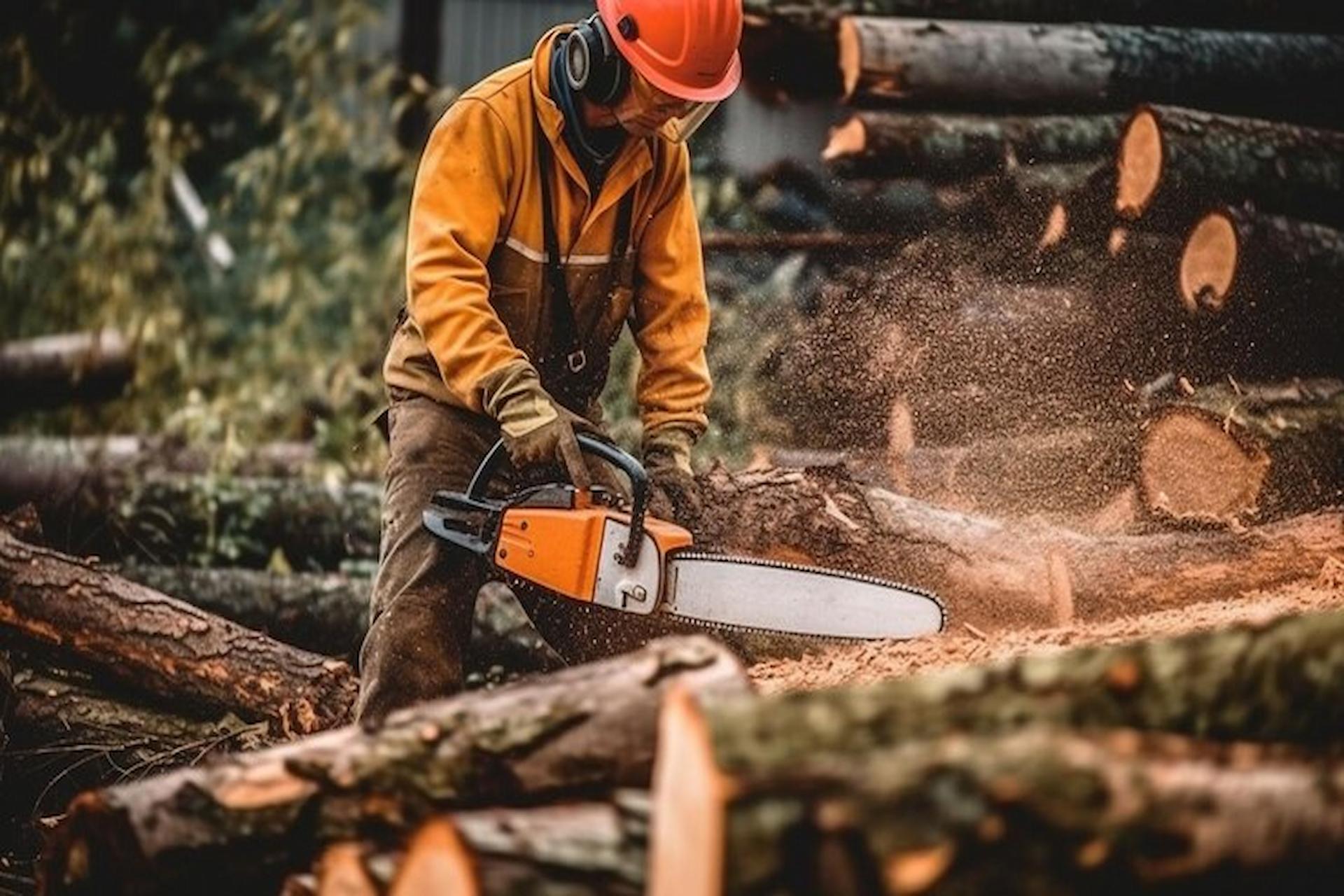
Lastly, appropriate pruning technique also includes the use of sterile and effective equipment. tree services guarantees that cuts are made efficiently, reducing the chances of disease and encouraging faster healing. Tree surgeons should apply the three-cut method for trimming large branches, which involves making a preliminary notch cut, followed by a back cut, and concluding with a final cut to ensure clean severance. Using the right technique coupled with the right tools not only boosts the health and appearance of the trees but also protects the safety of the nearby environment.
Tips for Tree Care and Maintenance
Routine tree upkeep is crucial for promoting healthy growth and preventing possible hazards. One of the key practices is to monitor your trees for indications of distress. Look out for indications such as dying branches, peeling bark, or fungal growth. Early identification of problems can lead to efficient treatment and may prevent the need for expensive tree removal. Knowing how to identify these warning signs is crucial for any property owner.
When it comes to seasonal care, timing is critical. The best time to trim your trees is during late winter or early spring before new growth begins. This encourages a robust structure and allows you to remove any dying or unhealthy limbs efficiently. Additionally, making sure that your trees have sufficient water and nutrients, especially in dry conditions, will help maintain their health throughout the year.
Finally, think about the significance of hiring a professional. Hiring a skilled tree surgeon can provide expertise into specialized care techniques, including identifying diseases and proper trimming techniques. This expertise not only helps in maintaining the aesthetics of your landscape but also enhances the overall safety of your property. Frequent check-ups can keep your trees in good health and thriving while tackling any urgent concerns quickly.