Bringing Clarity to Legal Rights: A Comprehensive Study on Assessments of Right to Light
In fast-changing land development development environment, grasping the intricacies of right of light surveys has become ever more essential. These assessments act as a critical tool for property developers, homeowners, and designers similarly, guaranteeing that legal rights to sunlight in buildings are acknowledged. As Browse this site grow denser and loftier, the potential for interference of light to existing buildings creates significant issues, underlining the need of thorough right of light surveys.
This article intends to examine the multiple aspects of right of light assessments, analyzing their significance in stopping expensive legal issues and enabling easier planning requests. We will examine the specifics of the times a survey is necessary, the contribution of experts, and the effect of modern advancements on boosting assessment exactness. By the end, audiences will have a comprehensive knowledge of this crucial discipline in property development and how it can help secure investments while improving public relations.
Comprehending Surveys of Right to Light
Surveys for right of light are crucial evaluations conducted to ascertain whether a property has sufficient access to natural light, in line with the legal rights established by the Prescription Act 1832. These surveys evaluate the directions and levels of light that infiltrate into a structure's windows, ensuring that any new construction or modifications do not violate on the established privileges of adjacent properties. Understanding these rights is essential for property developers and property owners alike, as it enables them to identify potential issues before starting building or remodeling projects.
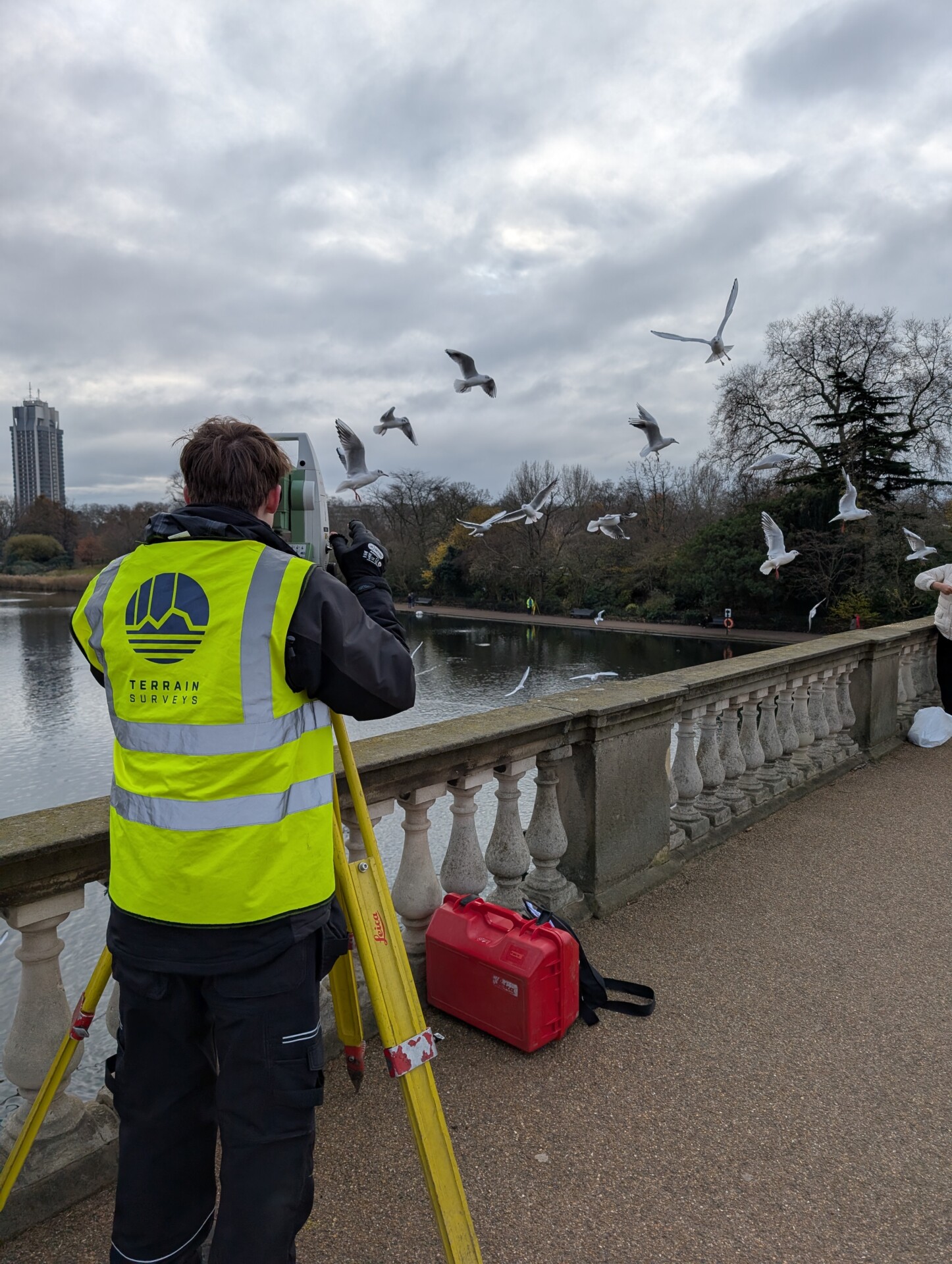
The process of conducting a survey for right to light typically entails the use of specific tools and methods to assess light intensities and angles precisely. Surveyors analyze existing light conditions and evaluate how new structures may impact these conditions. This technical evaluation helps in determining whether a claim for light obstruction may arise, impacting project design and planning applications. Proactive engagement with a certified surveyor can save time and efforts, as they provide crucial insight into the implications of light entitlements on developing properties.
Furthermore, right of light surveys are not just a legal formality; they play a significant role in city planning and development. As cities grow and more tall buildings are built, the potential for light obstruction grows, making these assessments increasingly important. Addressing and early addressing right of light issues can result in smoother project execution and help reduce the likelihood of expensive legal disputes, enhancing overall project viability.
Legal Implications and Budget Factors
Right of light surveys carry significant legal consequences that developers and homeowners must be aware of. Such surveys assess whether new developments will infringe on the rights to light of neighboring properties. If a survey shows potential violations, it provides a platform for discussion, which can avert lengthy and expensive legal disputes. Being aware of the local laws regarding light rights is vital, as consequences can differ depending on jurisdiction and particular conditions of each case. Omission to address these rights can lead to injunctions or alterations to the development, resulting in legal challenges.
The costs associated with right of light surveys can impact property development budgets. Financial requirements can differ significantly depending on the intricacy of the project, the valuator's expertise, and the location. In most cases, putting funds into a right of light survey upfront can be seen as a safeguard against more serious financial repercussions later on. For instance, settling disputes after construction can incur significantly greater costs compared to incorporating a survey into the planning phase. Developers should weigh the initial costs against the likely ramifications of neglecting these rights.
At the conclusion, the relationship between right of light surveys and overall project timelines cannot be discounted. A survey might initially seem like a delay; however, obtaining early advice can streamline the planning process and ultimately hasten project development. By pinpointing light-related issues before construction begins, developers can include necessary adjustments into their designs, thereby establishing potential conflicts that could derail timelines and escalate costs. Comprehending these factors is essential for effective project management and long-term success in real property projects.
Top Strategies for Property Developers
To guarantee a successful property development project, property developers should focus on conducting a Right of Light survey as early as possible in the planning process. This anticipatory step can identify potential light access issues before significant investments are made in construction. Engaging a qualified consultant to perform these surveys assists in recognizing any existing rights that adjacent properties may have, giving developers a comprehensive view of potential risks and empowering them to factor these into their design and planning stages.
Partnership with architects during the design phase is crucial. By incorporating the findings from the Right of Light survey, developers can create designs that maximize light access for both their projects and neighboring properties. This approach not only enhances the value of the development but also minimizes the chances of disputes arising from inadequate light provision after construction commences. Maintaining open communication with all stakeholders, including surrounding property holders, can further help in addressing concerns before they grow.
Finally, staying informed about the evolving legal landscape surrounding Right of Light laws is important for developers. Understanding recent cases, regulations, and best practices can aid in making informed decisions regarding light rights and compensation. By regularly meeting with legal experts specializing in property rights, developers can manage complex legal situations more effectively, ensuring that their properties remain compliant and minimizing the likelihood of costly legal disputes down the line.