Beginning with Research into Real-World Applications: The Path of Peptide Research
Peptide science is a vibrant and rapidly evolving area that bridges the realms of molecular biology and pharmaceutical science, providing exciting possibilities for both research and therapeutic applications. At its core, peptides are short chains of amino acids that are essential in the signaling and communication processes within cells. Grasping the function of these entities can provide understanding into various aspects including fundamental biological mechanisms to the creation of innovative drugs.
As we journey through the field of peptide science, we will examine the key inquiries surrounding peptides. What are peptides, and how do they function? In what ways do they contrast with proteins? With progress in research techniques and technologies, scientists are discovering the immense potential of peptides as therapeutic agents, especially in drug discovery and development. This article will take you through the foundational aspects of peptide science, introducing essential concepts and discussing the latest innovations that are shaping the direction of this important area of study.
Grasping Peptide Compounds: Fundamentals and Importance
Peptide Chains are brief sequences of amino acid residues linked by peptide bonds, and they play a crucial role in numerous biological processes. Generally consisting of between two and fifty amino acids, peptides can be classified into different kinds based on their length and function. They act as signaling agents, hormones, and foundational elements for proteins, making them critical to communication between cells and operations. Grasping what peptides are and how they work is crucial for exploring their importance in contemporary biology and medicine.
The importance of peptides spreads to their capability to interact with specific receptors on cell surfaces, initiating different responses from cells. This interaction is vital for regulating many physiological processes, including metabolism, immune response, and tissue repair. As researchers continue to explore the complexities of how peptides communicate with cells, they find new routes and mechanisms that can lead to novel therapeutic approaches in disease treatment and boosting health.
Moreover, the evolving field of peptide science highlights their capability in drug development and therapeutic applications. Synthetic peptides, designed to mimic natural peptides, are more and more being explored for their therapeutic potential. Grasping peptide structure and operation enables scientists to create more effective drug candidates that can exactly target disease mechanisms. As advancements in peptide research continue to develop, their importance in both basic biology and applied uses remains a focal point of scientific inquiry.
Peptides in Research: Discovery and Utilization
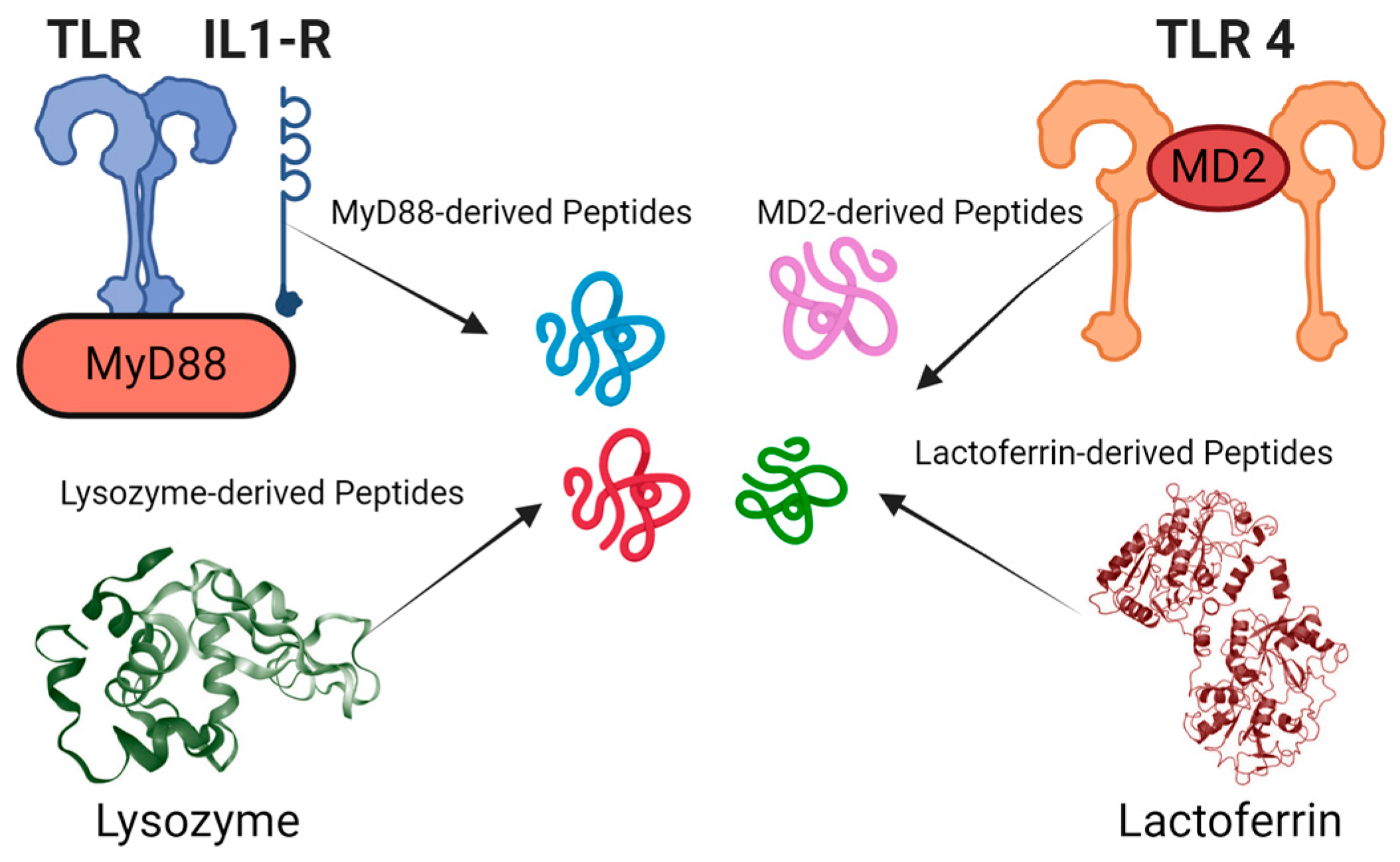
The investigation of peptide chains in research has opened new horizons in biology and medicine. Peptides, which are brief sequences of building blocks, serve as crucial bioactive molecules that help facilitate interaction between cellular entities. Understanding their structure and function is crucial for researchers as they untangle the complexities of cellular signaling. The journey of discovering peptides often starts with the identification of endogenous peptides in living beings, resulting in insights regarding their functions and possible uses in various fields.
In the last few years, scientific advancements have enabled the creation of these protein fragments in the lab, enabling researchers to design targeted peptides that simulate or enhance the functions of endogenous peptides. This synthetic methodology has produced novel applications in drug discovery, where peptides act as treatment options or serve as models for drug development. The increasing demand for targeted and effective treatments has motivated initiatives to create therapeutic peptides, making them a central theme in modern biomedical research.
As the discipline continues to progress, researchers are using cutting-edge methods such as spectrometric analysis and computational biology to enhance peptide characterization and improve their stability and biological activity. These developments highlight the potential of peptides as powerful tools in health research, which promise to connect the divide between fundamental research and practical applications. With continuous findings and new technologies, the prospects of peptide science looks promising, offering novel pathways for treatment options and deepening our understanding of biological processes.
Prospective Trends in Peptide-based Science
Developments in peptide-based science are poised to revolutionize therapeutic approaches across multiple areas, including cancer treatment, immune system studies, and metabolic conditions. Scientists are now focusing on the design of peptide therapeutics that can selectively focus on particular cellular pathways, allowing for greater targeted and effective therapies. This approach is projected to lower adverse effects and enhance treatment results. Furthermore, the fusion of synthetic biology and peptide engineering is opening new avenues for developing novel peptides with increased stability and bioactivity.
The introduction of artificial intelligence and ML into peptide-based discovery is transforming how scientists identify and optimize sequence patterns. https://originalpeptidesciences.com/ facilitate the rapid assessment of vast datasets, resulting to the discovery of new peptides that could have significant therapeutic potential. By forecasting the behavior of peptides and interactions through modeling, researchers are accelerating the research process, cutting time and costs associated with traditional methods.
In further drug development, the implementation of peptide-based solutions in diagnostic procedures is gaining traction. Peptides are being explored as biological markers for initial disease detection, offering a non-invasive way to track health states. As our comprehension of peptide interactions within complex biological systems grows, upcoming studies will likely focus on merging peptide-based technologies with individualized treatment, paving the way for tailored treatment strategies that cater to individual patient needs.