Analyzing the Landscape: A Comprehensive Study into Topographical Assessment
Topographic surveys play a crucial role in the realm of construction, land use planning, and environmental management. By providing thorough representations of the landscape and its characteristics, these surveys allow designers, technical experts, and developers to make well-considered decisions that impact the success of a development. Understanding what a topographical survey entails and its significance can enable project stakeholders to navigate potential challenges and capitalize on opportunities effectively.
As we delve into the fundamentals of topographical surveys, we will explore when they are necessary for your projects, how they support productive construction endeavors, and their importance for planning applications. From housing developments to business and industrial sites, the importance of precise topographical data cannot be underestimated. Join us on this expedition as we uncover the various facets of topographical surveys, their methodologies, and how contemporary technology has transformed the field of surveying.
Grasping Terrain Surveys
Site analyses constitute a crucial component of land use and construction that provide comprehensive data about the environmental and man-made features of a location. These surveys illustrate the ground's relief, indicating elevations, valleys, water bodies, and additional significant characteristics, along with critical elements such as roads, buildings, and utilities. By collecting this material, site assessments allow planners, architectural teams, and technical experts to better understand the environment and formulate well-founded decisions concerning planning and development.
The importance of topographical surveys lies in their capacity to assist different kinds of projects. For builders and construction companies, such surveys represent essential for planning and conducting novel builds or extensions. They aid identify limitations, such as sharply rising land or areas at risk of flooding, which can have a major influence on the practicality and safety of a development. Additionally, they offer the essential data for conformity with local laws and planning applications, guaranteeing that projects follow environmental and legal norms.
Contemporary developments in technology have significantly improved the accuracy and effectiveness of terrain assessments. Tools such as Global Positioning System, unmanned aerial vehicles, and advanced measurement technologies permit surveyors to collect information more efficiently and effectively than ever previously. This heightened extent of specificity merely enhances the overall efficacy of planning but also helps lower costly mistakes that can happen from poor analyses. As a result, topographical surveys are regarded as an integral part of productive building and property projects.
Importance of Geospatial Studies in Building Projects
Terrain studies play a vital role in the construction field by providing critical insights about the land where a project will take shape up. These studies uncover the geographical features of the site, including shapes, heights, and environmental landmarks, which are critical for planning structures. By assessing the topography, construction professionals and design engineers can create detailed plans that consider the terrain's qualities, ultimately achieving more efficient building.
Furthermore, terrain surveys help reveal possible site constraints such as slopes, water management areas, and risk hazards. This insight is invaluable during the planning phase, as it empowers project stakeholders to make smart decisions and mitigate risks early in the stage. By addressing Topographical Surveys Walton-on-Thames Surrey before construction begins, organizations can steer clear of costly setbacks and adjustments that often occur when these factors are ignored.
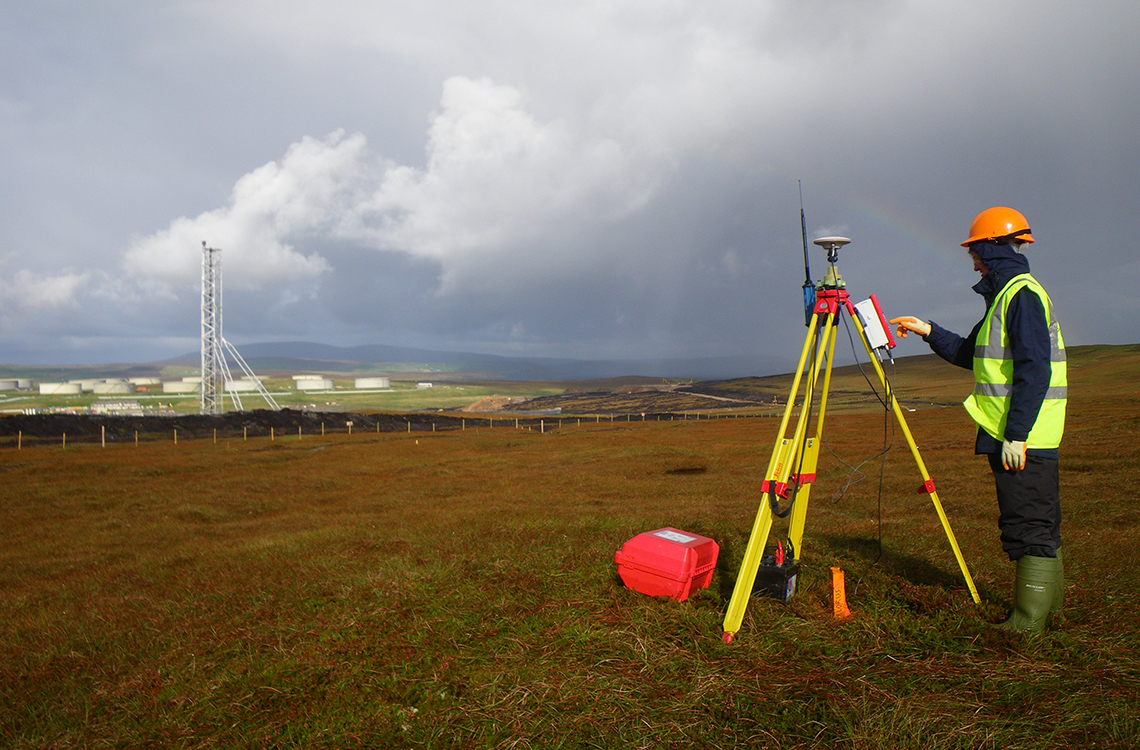
Additionally, the reliability provided by current terrain surveys supports compliance with regional laws and land use codes, which is important for securing necessary permits. A thorough assessment ensures that all legal conditions are satisfied, lowering the risk of disputes or fines later in the development. This ensures that development continues without interruptions, keeping deadlines and financial constraints, making topographical studies an critical phase in any construction project.
Modern Techniques in Topographical Surveys
The area of topographical mapping has greatly developed with the advent of contemporary technology, bringing greater effectiveness and accuracy to the surveying methodology. Conventional methods, which frequently involved time-consuming manual measurements, have now been supplemented or replaced by cutting-edge tools such as GPS, drones, and light detection and ranging scanning methods. These advancements allow surveyors to capture vast amounts of details in a tiny portion of the duration, while also boosting the accuracy of the data collected. The use of drones, for example, enables aerial inspections that can span large regions quickly, while LIDAR scanners offer detailed 3D models of landform features.
A further major development in topographical surveys is the integration of geospatial information systems. GIS technology allows for advanced data examination and visualization, enabling surveyors to create detailed maps and representations that can be readily interpreted by designers, engineers, and planners. This technological collaboration helps in better comprehension of the terrain, informing design decisions and aiding planning applications. Additionally, the capability to refresh data quickly with these systems ensures that stakeholders have the most current data available.
The overall influence of these modern approaches extends beyond efficiency; they also enhance the exactness of mapping findings, leading to reduced mistakes and reduced costs. By employing advanced tools for geospatial mapping, professionals can detect location constraints early in the procedure and make more educated choices regarding land projecting. As the industry continues to welcome these technologies, the significance placed on exact geospatial data in building, ecological review, and land use will keep rising.