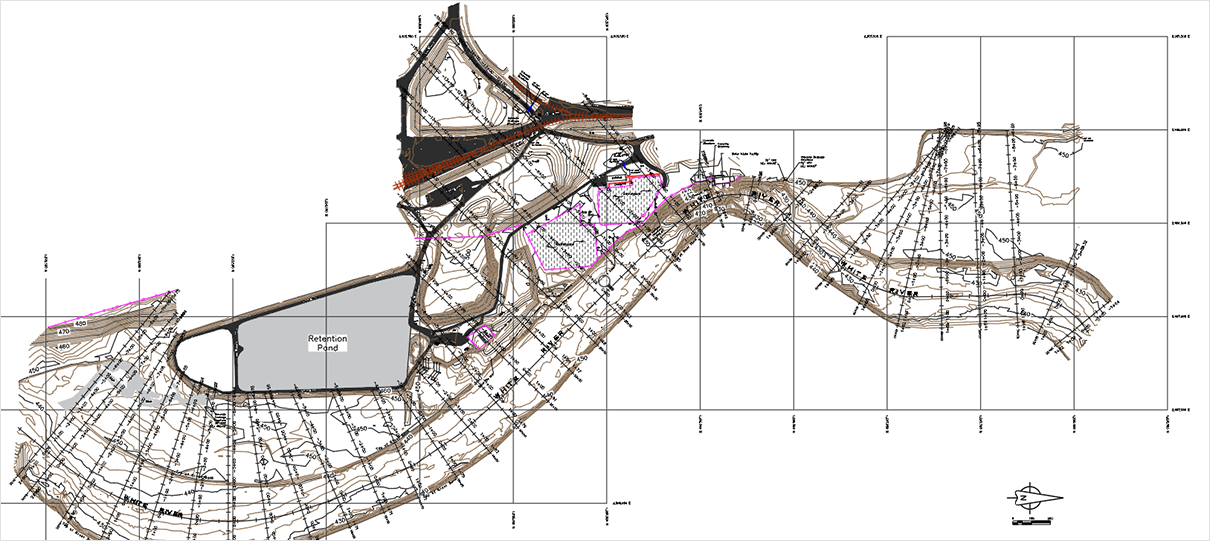
Above the Exterior: The Comprehensive Look into Topographical Surveys
In the field of architecture and land development, land surveys serve as a key foundation for any prosperous project. A topographical survey offers a detailed depiction of both the environmental and artificial features of a landscape, highlighting everything from height differences to flora and water bodies. Understanding these elements is crucial for builders, design engineers, and land developers, as they affect design decisions, project feasibility, and compliance with local regulations. As we explore this topic, we will explore what topographical surveys are, their significance, and the different scenarios where they are essential.
From residential developments to large-scale infrastructure projects, the information gained from topographical surveys can determine the difference between flawless operation and costly mistakes. With innovations in technology, including GPS, drones, and laser scanning, the precision and effectiveness of these surveys have drastically improved, making them more available than ever. In this article, we aim to offer an comprehensive look at topographical surveys, focusing on their applications, benefits, and the best practices for conducting them to ensure successful outcomes. Whether you’re a seasoned professional or a newcomer to the industry, understanding the intricacies of topographical surveys is crucial for maneuvering through the challenges of modern construction and land use planning.
Comprehending Topographical Surveys
Geographical mappings serve as critical tools employed to illustrate the innate and artificial aspects of a specific site. They offer detailed information about the ground, including elevations, shapes, and any pre-existing facilities. This depiction is imperative for architects, architects, and project managers to grasp the lay of the land before initiating on any project. With precise calculations, these mappings underscore the interaction between multiple components of the terrain, rendering them essential for effective planning and design.
The procedure of performing a terrain evaluation includes a number of techniques and tools, including conventional property assessment methods and latest advancements such as Global Positioning System and UAVs. These technologies allow assessors to acquire information with great precision, which is then transformed into detailed maps or three-dimensional representations. This data reveals significant site characteristics, such as slopes, water flow patterns, and vegetation, all of which are essential for making informed choices in construction undertakings.
Moreover, terrain surveys play a pivotal role in ensuring that initiatives comply with local regulations and eco-friendly practices. By faithfully depicting the land, these evaluations help pinpoint possible issues such as flood risks or insecure land stability. Understanding the topography of a piece of land not only enhance the protection and functionality of a project but also adds to prolonged viability and cost-effectiveness in the design and execution phases.
Importance of Site Surveys in Building
Terrain mapping serve a critical role in the development process by delivering crucial information about the terrain and aspects of a property. This insight is crucial for designers, project managers as it enables them understand the natural landscape, comprising altitude changes, current buildings, and plant life. By precisely mapping these aspects, topographical analyses allow for improved project preparation and layout, finally leading to a better development outcome.
In moreover to aiding in optimal development, terrain surveys also help spot potential issues and barriers associated with the site. This includes stormwater issues, grade stability, and various environmental factors that could influence the construction process. By recognizing these site constraints early on, project teams can create solutions and adapt their designs as needed, thereby avoiding expensive changes and delays later in the building phase.
Moreover, the data derived from terrain surveys is essential to ensuring conformity with local standards and codes. Numerous planning requests require thorough analyses to assess the proposed development's influence on the surrounding ecosystem and infrastructure. By securing accurate terrain data, building teams not only streamline the approval process but also enhance the overall safety and success of the construction initiative, offering confidence to both contractors and partners.
Selecting the Right Survey Techniques and Providers
Determining the suitable survey techniques and providers is important for getting accurate and trustworthy topographical surveys. Various projects may require distinct techniques such as traditional surveying, GPS technology, or aerial surveys using drones. Understanding the nature of your project will assist decide which method fits your needs most effectively. For The original source , major projects like infrastructure developments may gain advantage more from drone and laser scanning techniques, while miniature residential developments might only need traditional surveying methods.
When evaluating survey providers, evaluate their expertise, qualifications, and the technology they utilize. A reputable company will have a verified track record in executing high-quality surveys and will be familiar with the latest advancements in surveying technology. Additionally, search for providers that can deliver a full range of services, including help with planning applications and legal compliance. This ensures that all aspects of your project are minimized, reducing the risk of complications down the line.
Ultimately, communication is crucial when working with survey providers. Get involved in conversations about your project specifications, timelines, and financial constraints. A provider who listens and understands your needs will be more likely to deliver a topographical survey that meets your standards. Establishing a good line of communication can promote a successful partnership and in the end lead to the overall success of your project.